

Biometrics on entry to Russia: the experiment and ruID
How Russia’s biometric entry experiment works, how a ruID digital profile differs from border procedures and how long the experiment has been extended.
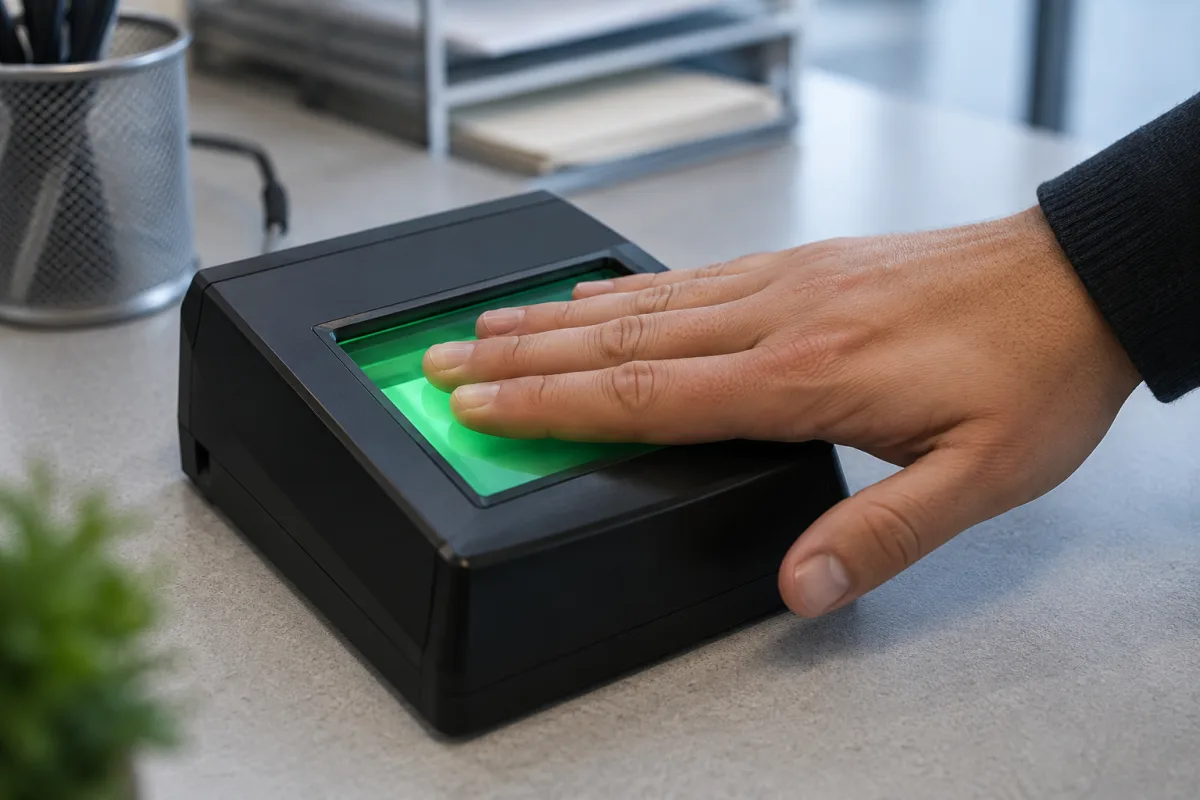
The essentials
The experiment began in December 2024, followed by a second stage in June 2025. It now runs until 31 December 2027. Border biometrics and a pre-travel ruID application are separate procedures.
Information checked on 1 October 2026. The original Russian report was published on 3 December 2024. The end date has been updated to reflect Russian Government Resolution No. 468 of 27 April 2026.
The experiment testing new entry rules for foreign nationals and stateless persons was established by Russian Government Resolution No. 1510 of 7 November 2024. It covers biometric collection at the border and the development of digital services for foreign nationals.
How was the experiment introduced?
Stage one: from 1 December 2024
At launch, facial images and fingerprints were to be collected at Sheremetyevo, Domodedovo, Vnukovo and Zhukovsky airports, and at the Mashtakovo road border crossing. The application of individual procedures depends on the technical capabilities of the relevant crossing.
Stage two: from 30 June 2025
The next stage of testing entry rules was planned for all border crossings, including the foreign national’s digital profile and ruID application. This does not mean that the technical biometric collection procedure is identical at every crossing.
What changed in 2026?
The experiment was originally due to end on 30 June 2026. Resolution No. 468 extended it until 31 December 2027, with the amendments taking effect on 30 June 2026.
The digital profile and ruID
The ruID app allows travellers to submit information about a visa-free trip in advance, check the processing result and use related digital services. It does not replace a passport, a required visa or established border procedures.
Official explanations state that the absence of an application or QR code is not, by itself, grounds for an entry ban. The app generates the QR code after the border has been crossed. This should not be confused with the rules for biometric collection at the border.
Who is exempt?
The original rules identify Belarusian citizens, children under six and certain diplomatic categories. These include diplomatic and consular staff, representatives of international organisations and qualifying family members, as well as holders of the diplomatic or service documents specified in the rules.
For an individual passenger, check the category, documents and purpose of travel against the current rules. Do not assume an exemption solely because someone holds an ordinary visa, temporary residence permit or permanent residence permit.
What should you do before flying?
- Check that your documents are valid and confirm entry conditions for your nationality.
- Read the official ruID instructions and the requirements at your border crossing.
- Check migration registration, employment or study requirements after entry separately.
The experiment tests new security procedures and access to public services. Authorised border officials decide on admission under the applicable rules.
Sources & review
Information reviewed
Take these along
Explore the journal
Cash rubles to Kyrgyzstan: the new rules
What changed on 29 September: the one-million-ruble threshold, documents for the full amount and the airports covered by the exception.

7 October: bringing people closer
A thank-you to the people who help us come home and discover new places. The story of the day and warm wishes to those working in the air and on the ground.

Do not bring harmala (ysyryk or adyrashman) into Russia
Harmala, also known as ysyryk or adyrashman, is prohibited from being brought into Russia. Check your baggage and any traditional herbal preparations before travelling.